Read blog articles with a strong focus on Open Science

Science Feedback is a worldwide network of experienced scientists sorting fact from fiction in science-based media coverage, starting with climate and health issues.
The European Commission launched OpenAIRE in 2010 as both an online portal (infrastructure) and a network of helpdesks and experts (National Open Access Desk (NOADs)). Its original objective was to support the implementation of the European open access policies: the ERC Scientific Council Guidelines for Open Access (2007) and the Open Access (OA) pilot in FP7.

Kiron’s mission is to offer equal opportunities in education worldwide and, since 2015, they have been offering free online learning opportunities to refugees and underserved communities.
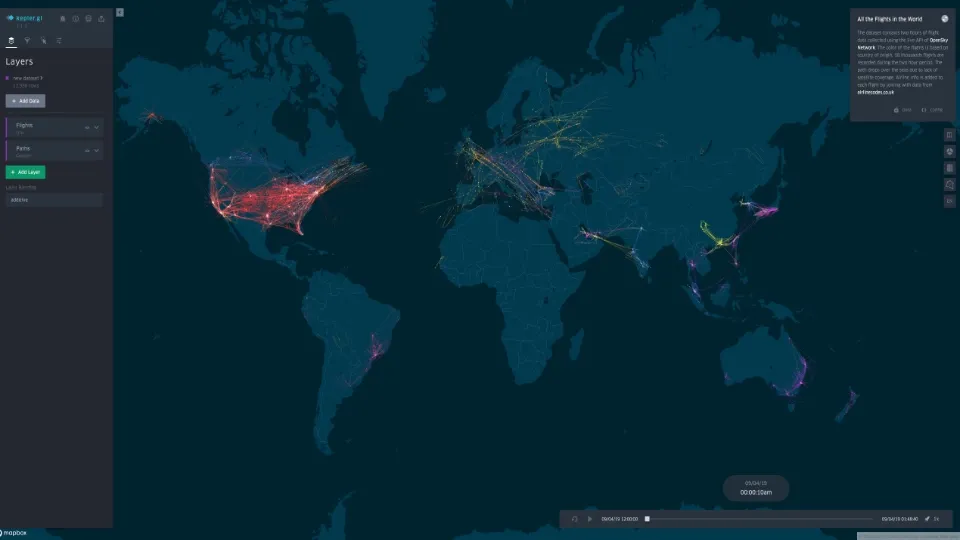
Kepler.gl is an easy-to-use toolbox for geospatial analysis. With kepler.gl, creating data-driven maps becomes a straightforward process. It supports you with powerful and intuitive functionalities to create beautiful data-driven maps and gain quick insights from location data.
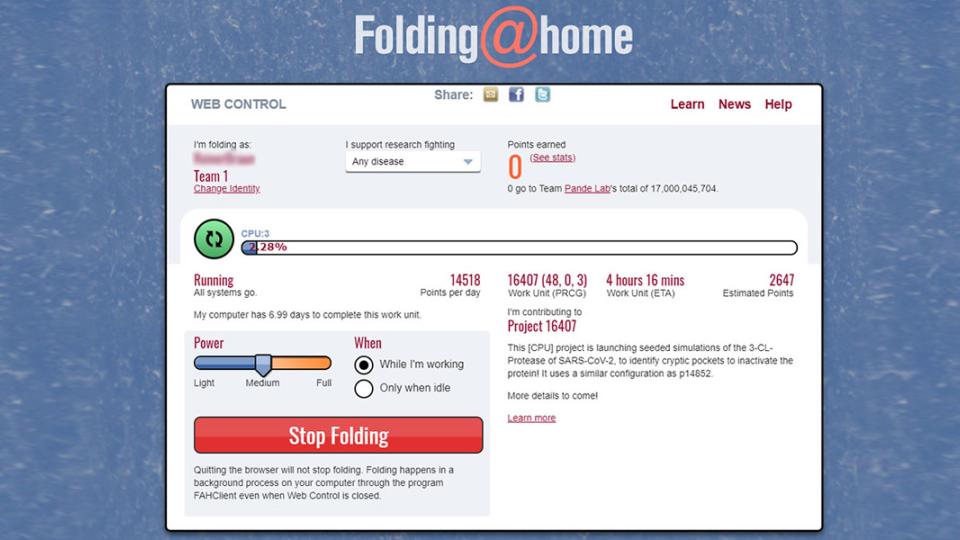
The Folding@home team released its software to the public in September 2000. The project aims to simulate protein dynamics, including the process of protein folding and the movements of proteins implicated in a variety of diseases such as Cancer, Alzheimer’s, Parkinson’s, Huntington’s, Influenza, and many others.
Research data should “flow” unhindered and loss-free along the life cycle of research projects. “FAIR Data Principles” formulate principles that must be fulfilled when dealing with sustainably reusable research data.
The FOSTER and FOSTER+ projects focused on promoting the practical implementation of Open Science, with activities targeting academic staff, young scientists, and policy-makers in particular.

World Community Grid enables anyone with a computer, smartphone, or tablet to donate their unused computing power to advance cutting-edge scientific research on topics related to health, poverty, and sustainability.

Open science, open source, open access - these concepts are now familiar to you. What about Open schools?
Zenodo was launched within the frame of the OpenAIRE project, which was commissioned by the European Commission to provide open access to research outputs financed by public funding in Europe. Not all researchers necessarily have access to an institutional repository. Zenodo was designed to help them to comply with the open access requirement.
The Berkley Open Infrastructure for Network Computing (BOINC) is an open source software platform for computing that uses volunteered resources. The BOINC platform was developed at the University of Berkeley and started in 2002. BOINC makes it possible to use the unused computing power of many thousands of computers available over the Internet or any Intranet.
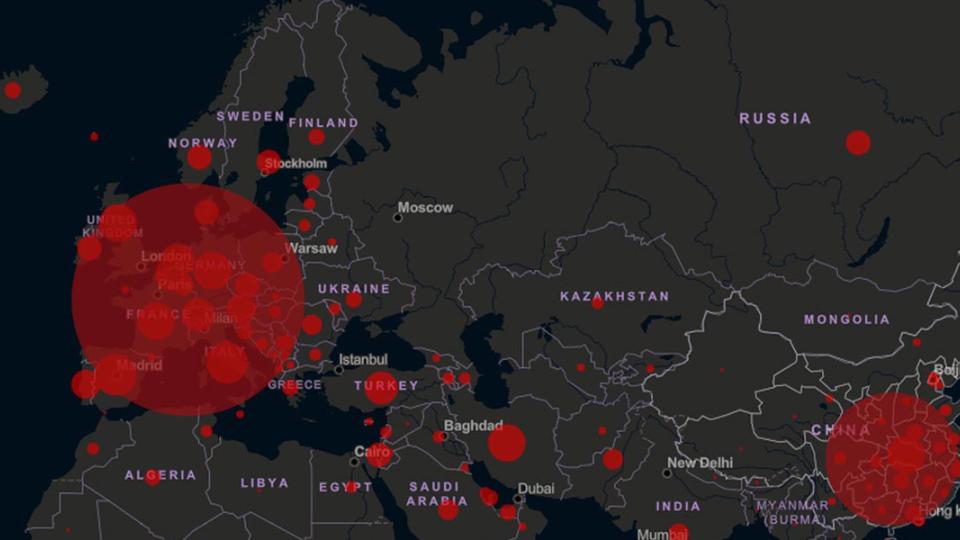
Johns Hopkins experts in global public health, infectious disease, and emergency preparedness have been at the forefront of the international response to COVID-19.